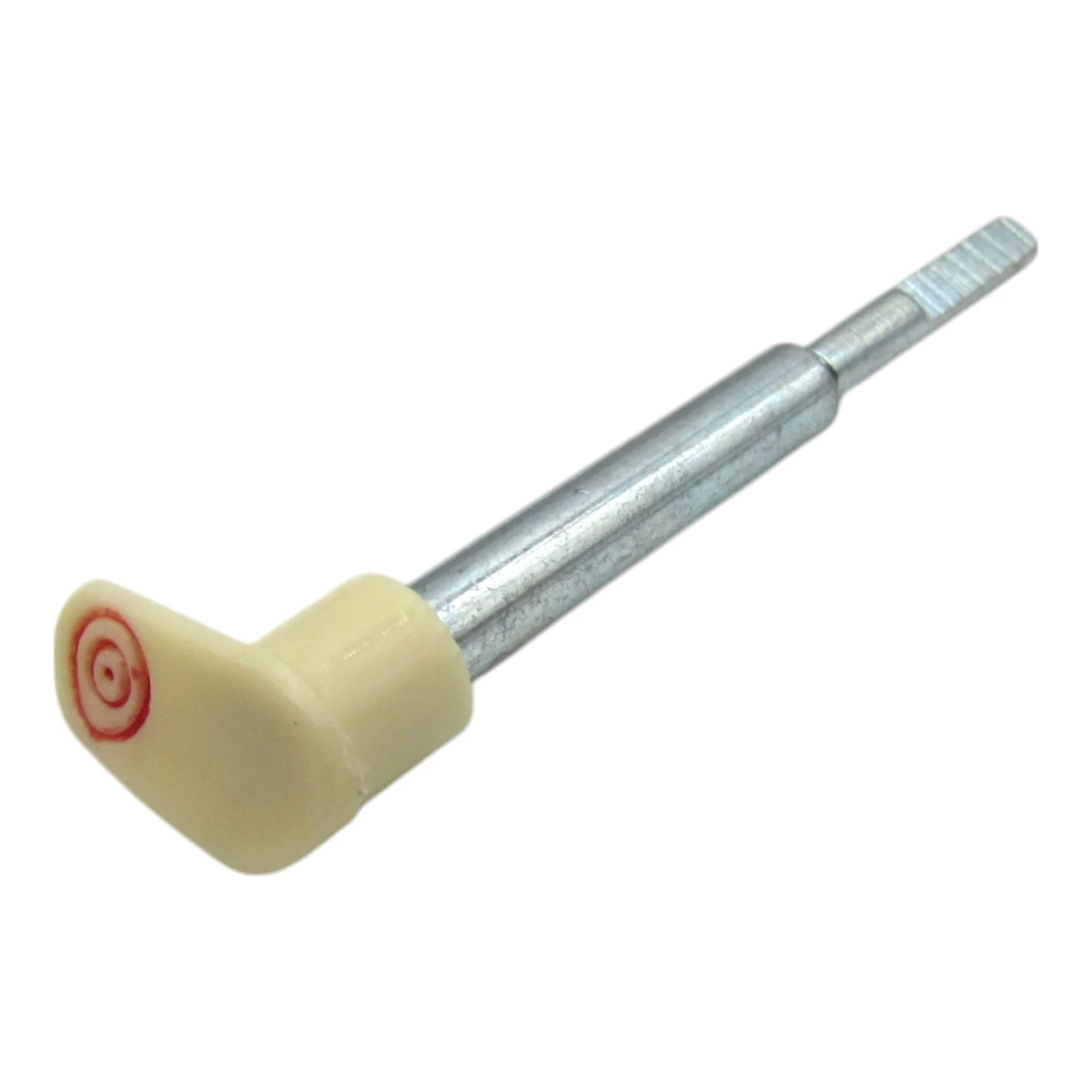
Original Singer Bobbin Winder Mechanism - Model 66 Early Cam Style
Original Singer Bobbin Winder Mechanism - Model 66 Early Cam Style
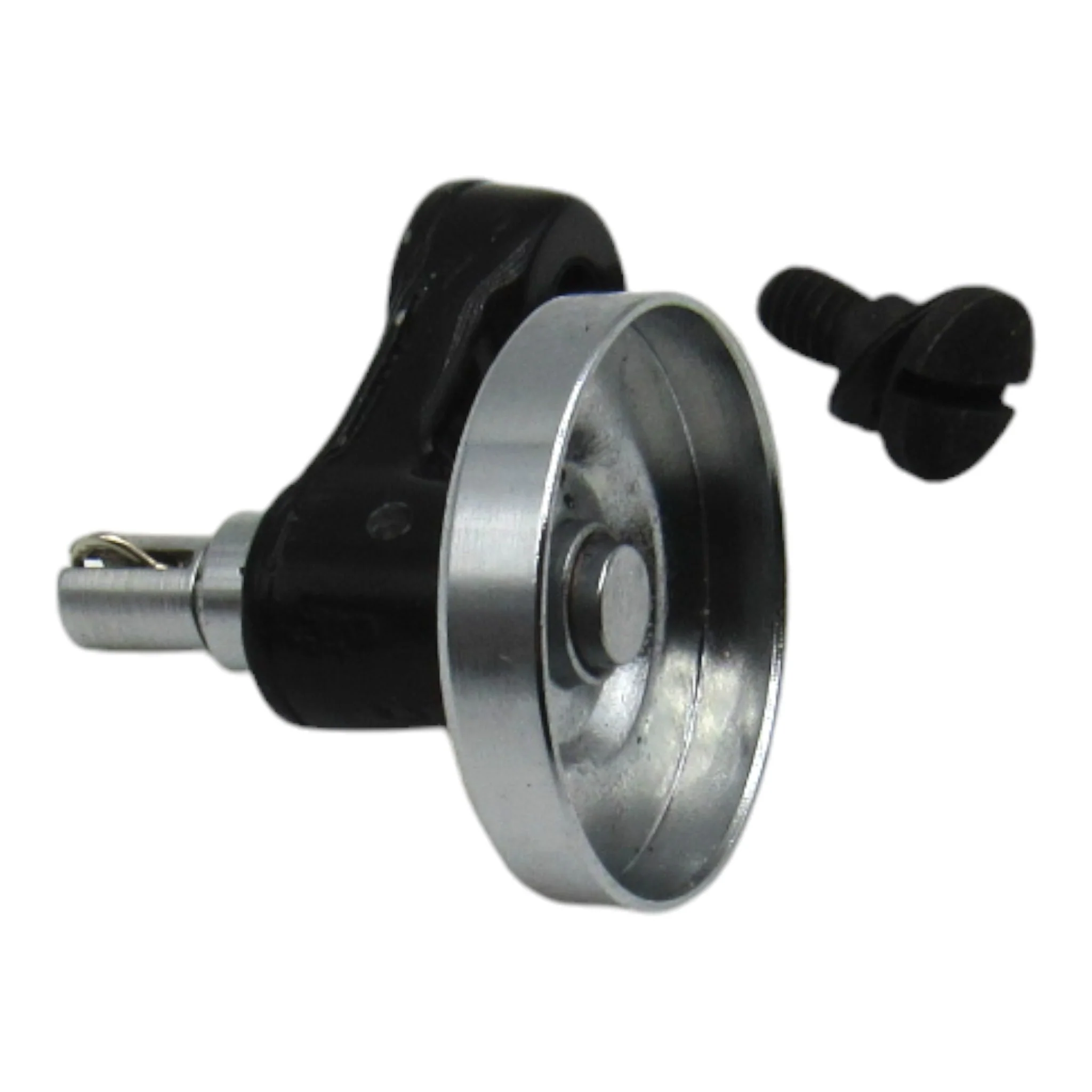
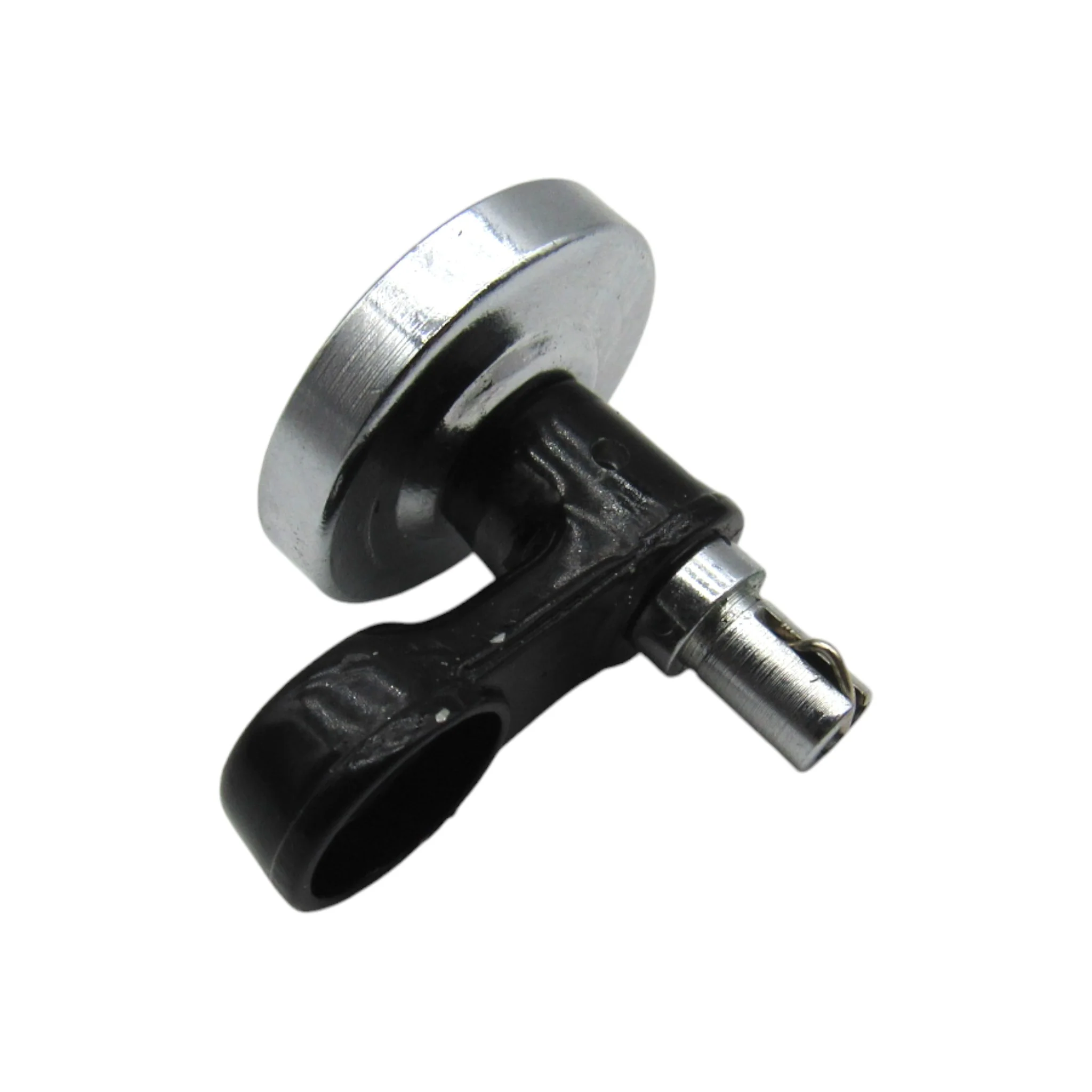
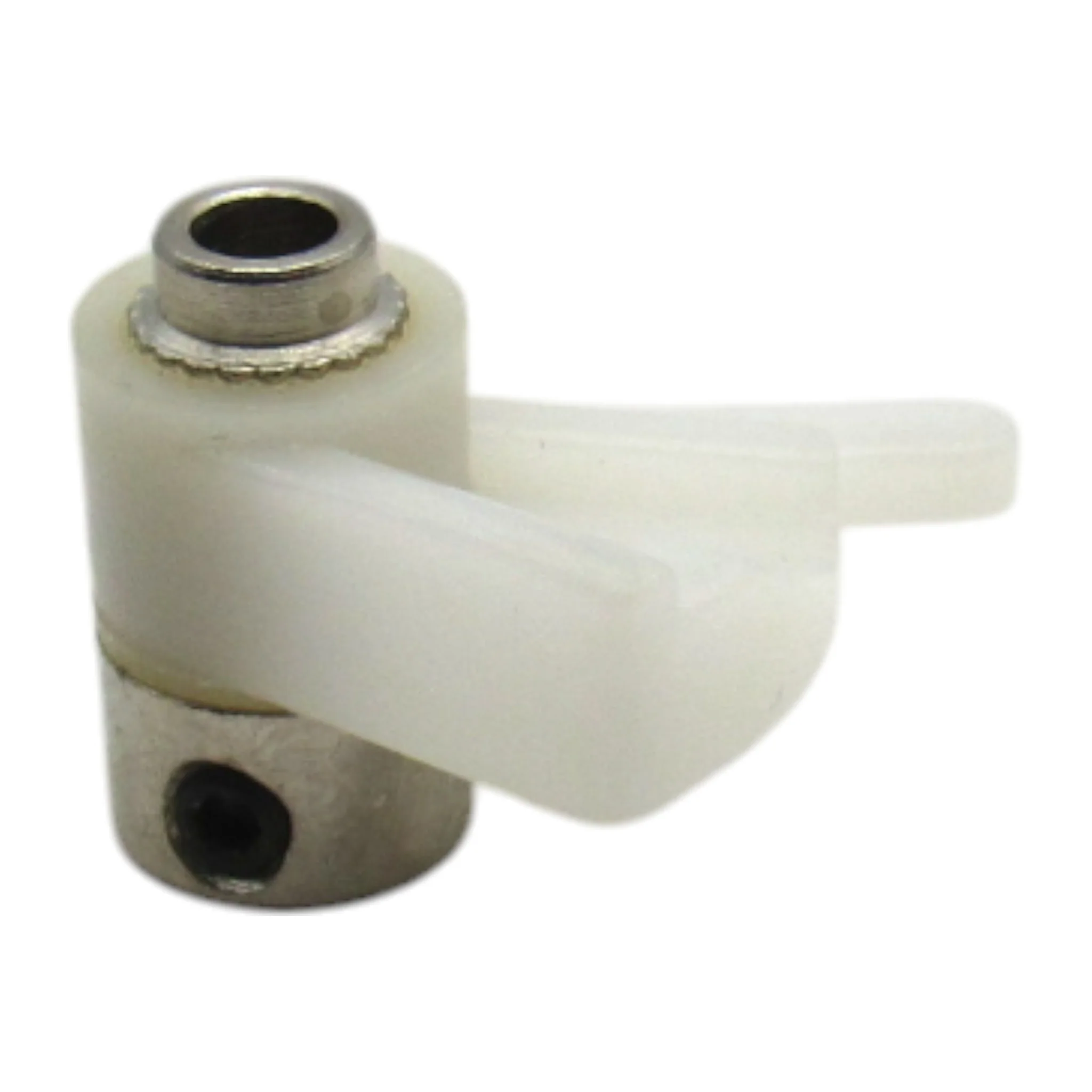
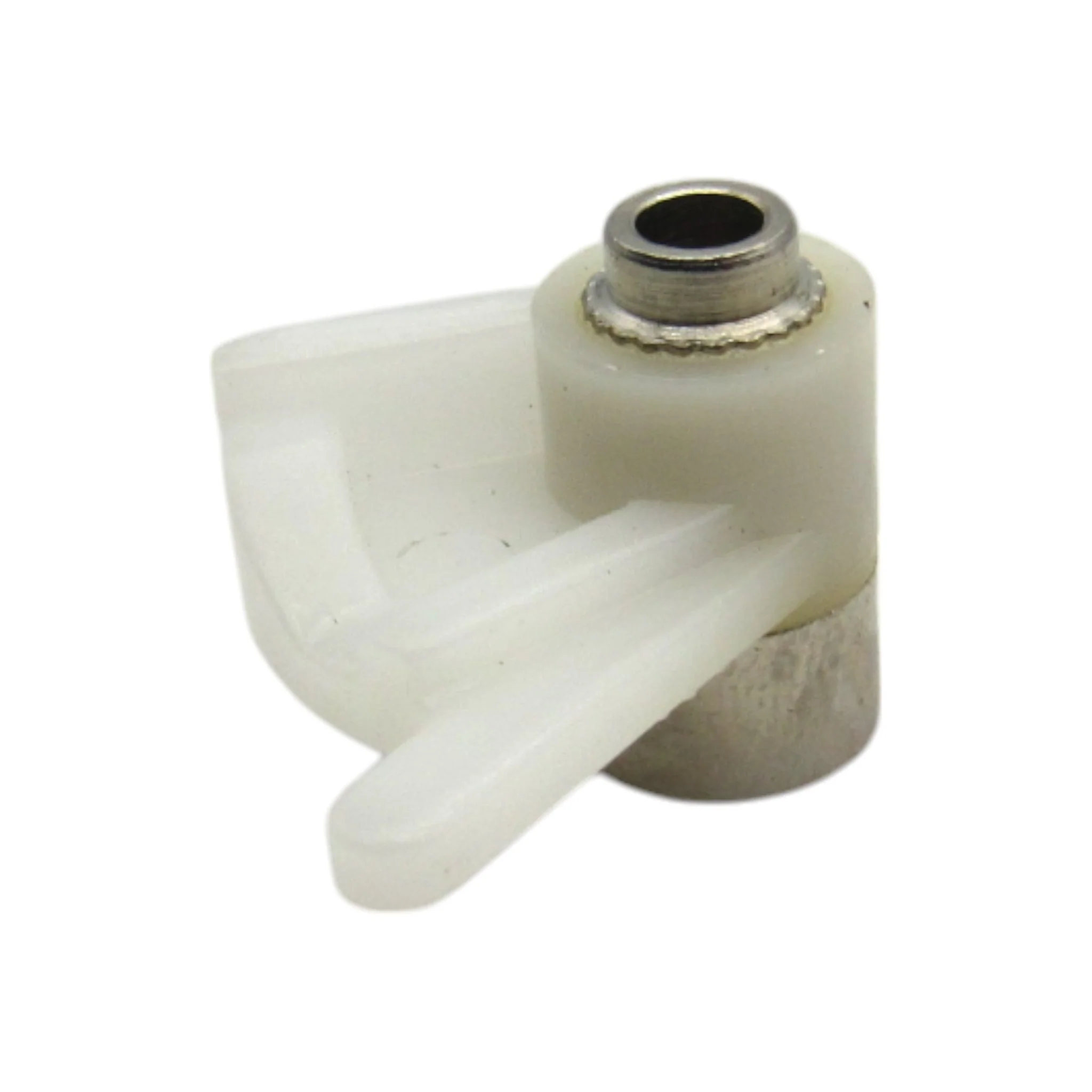
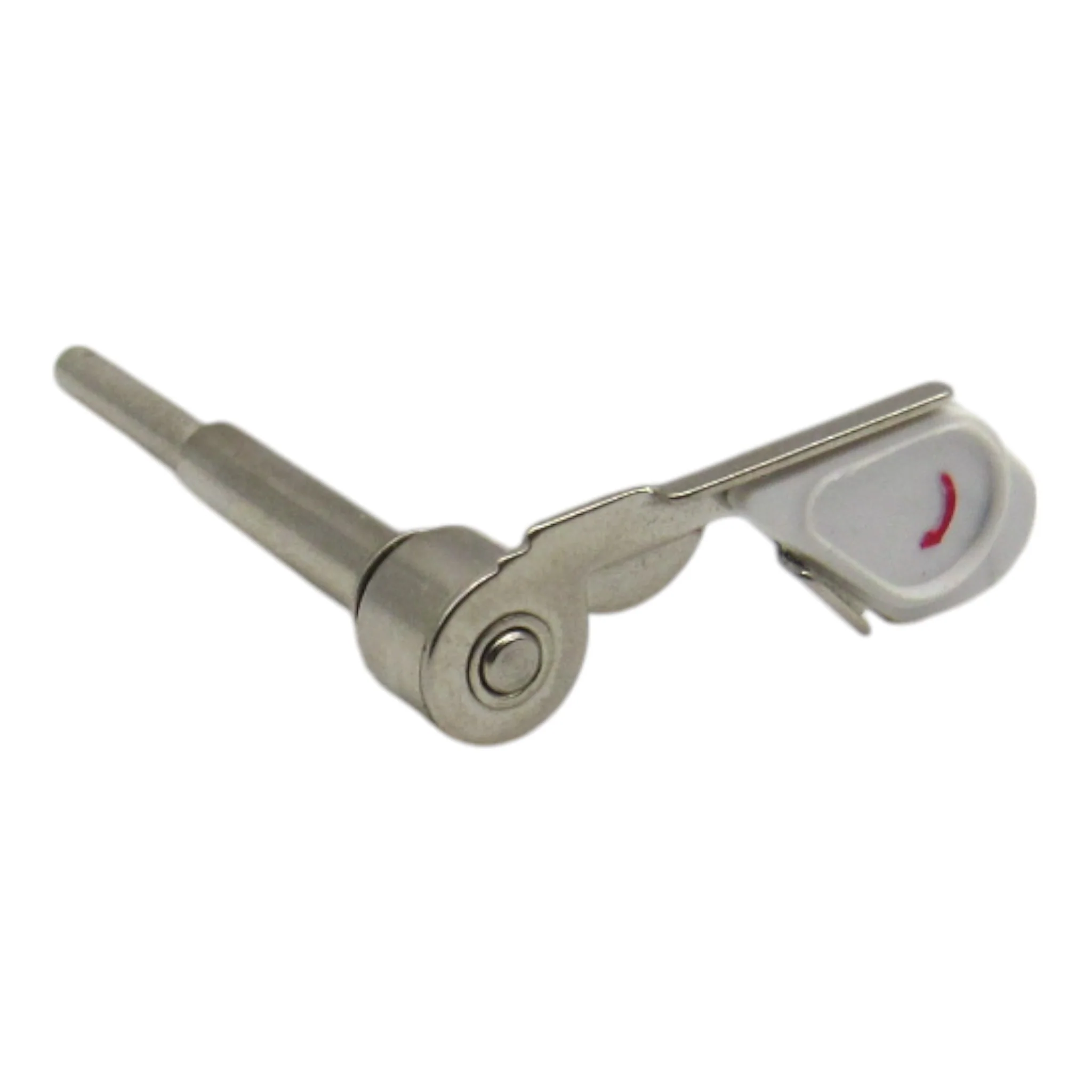
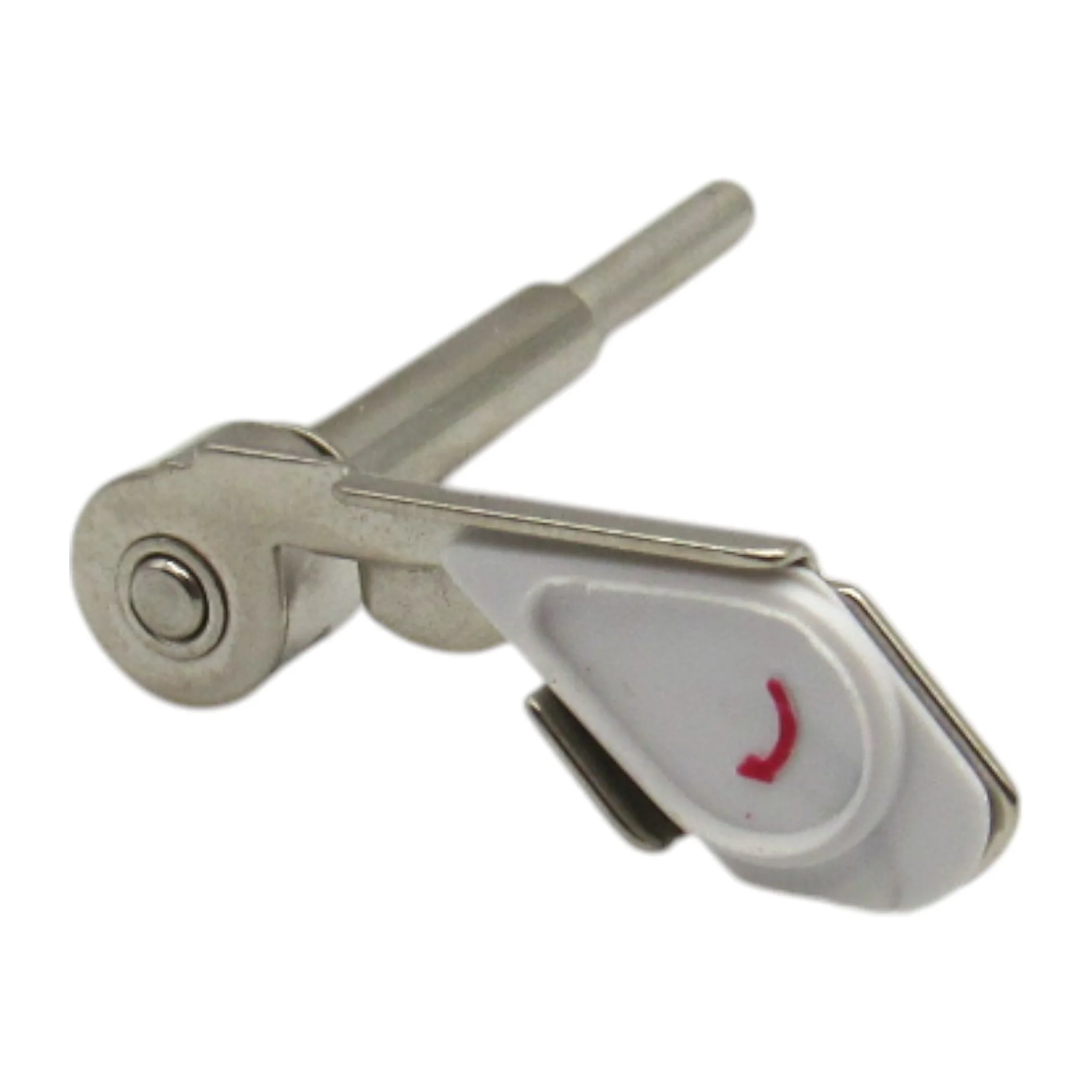
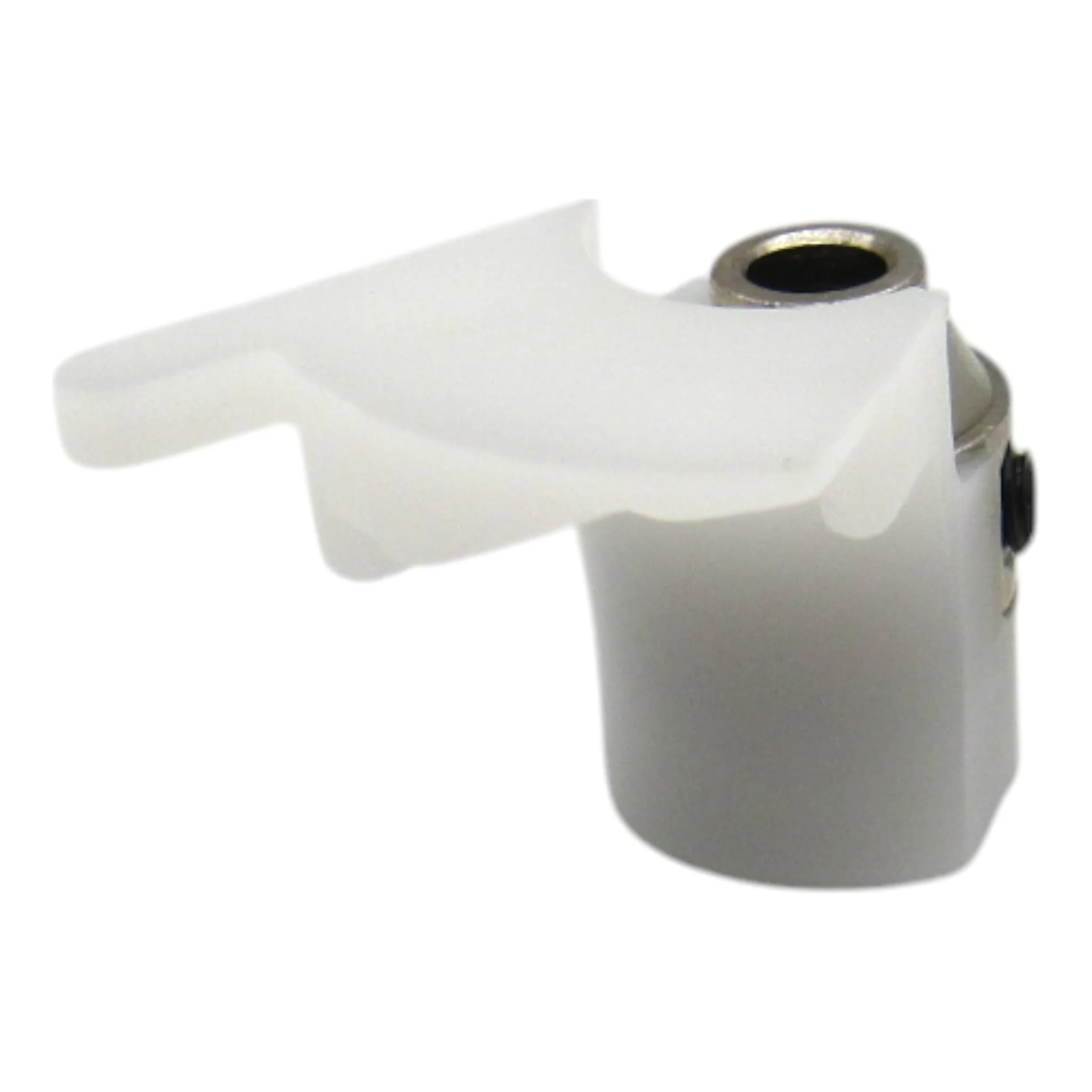
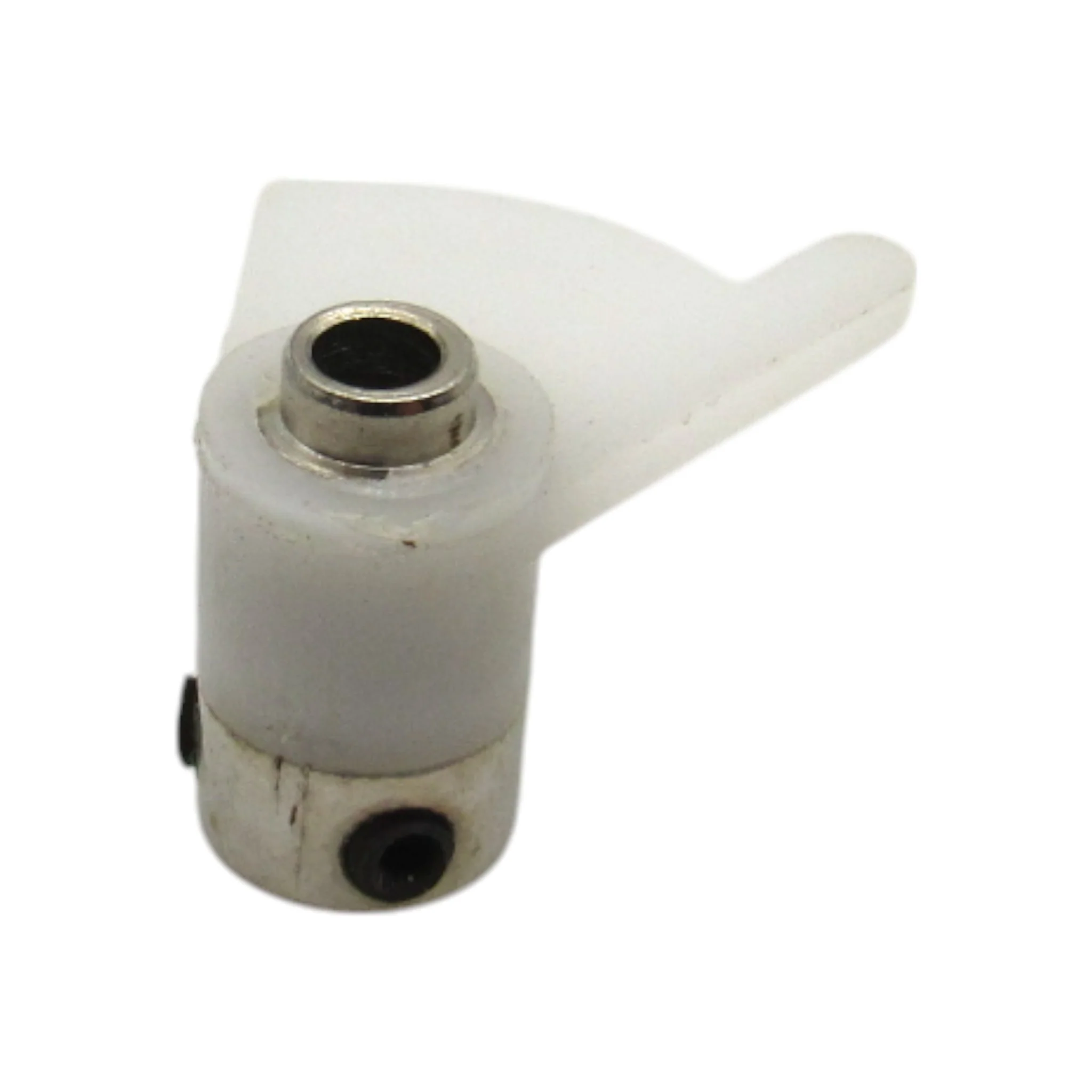
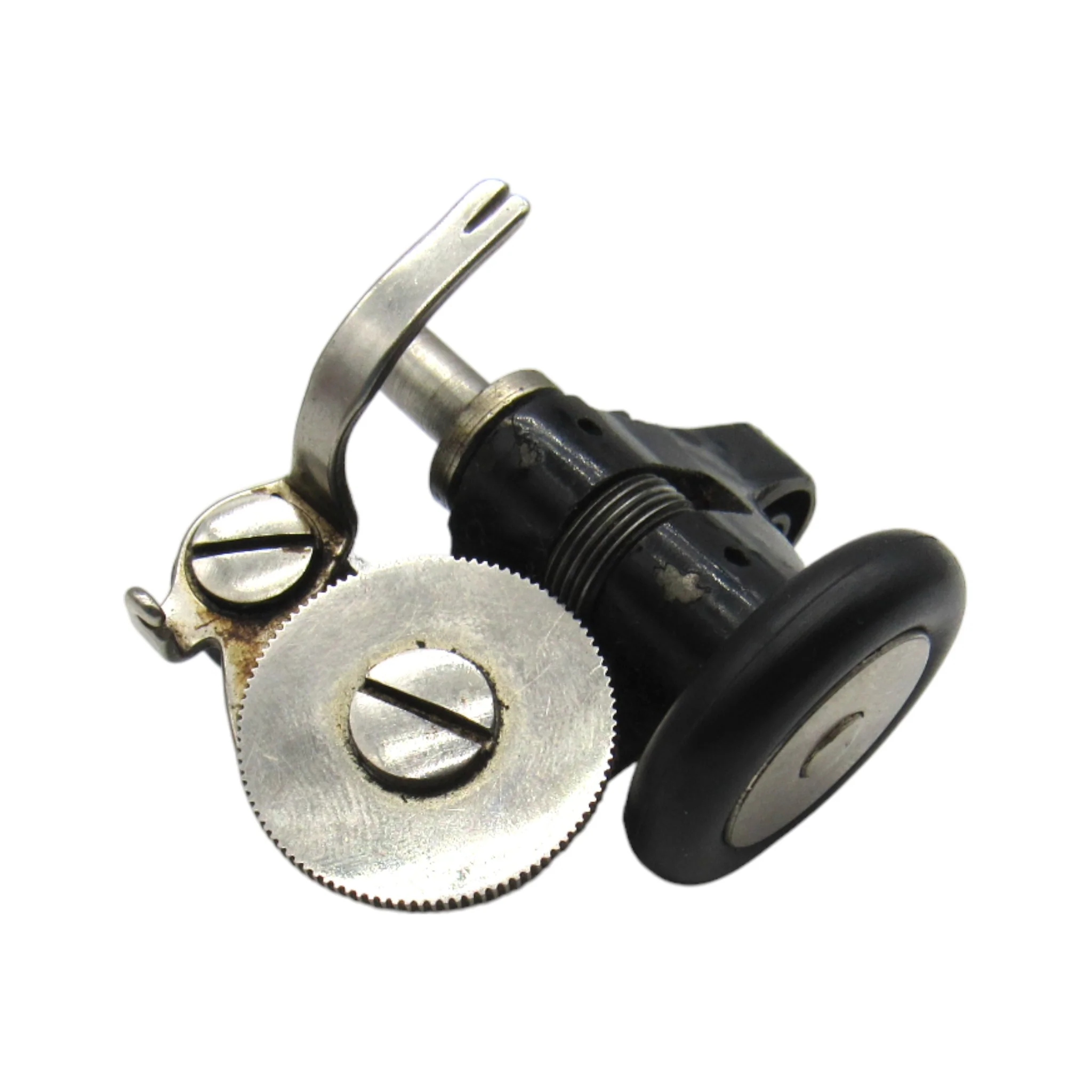
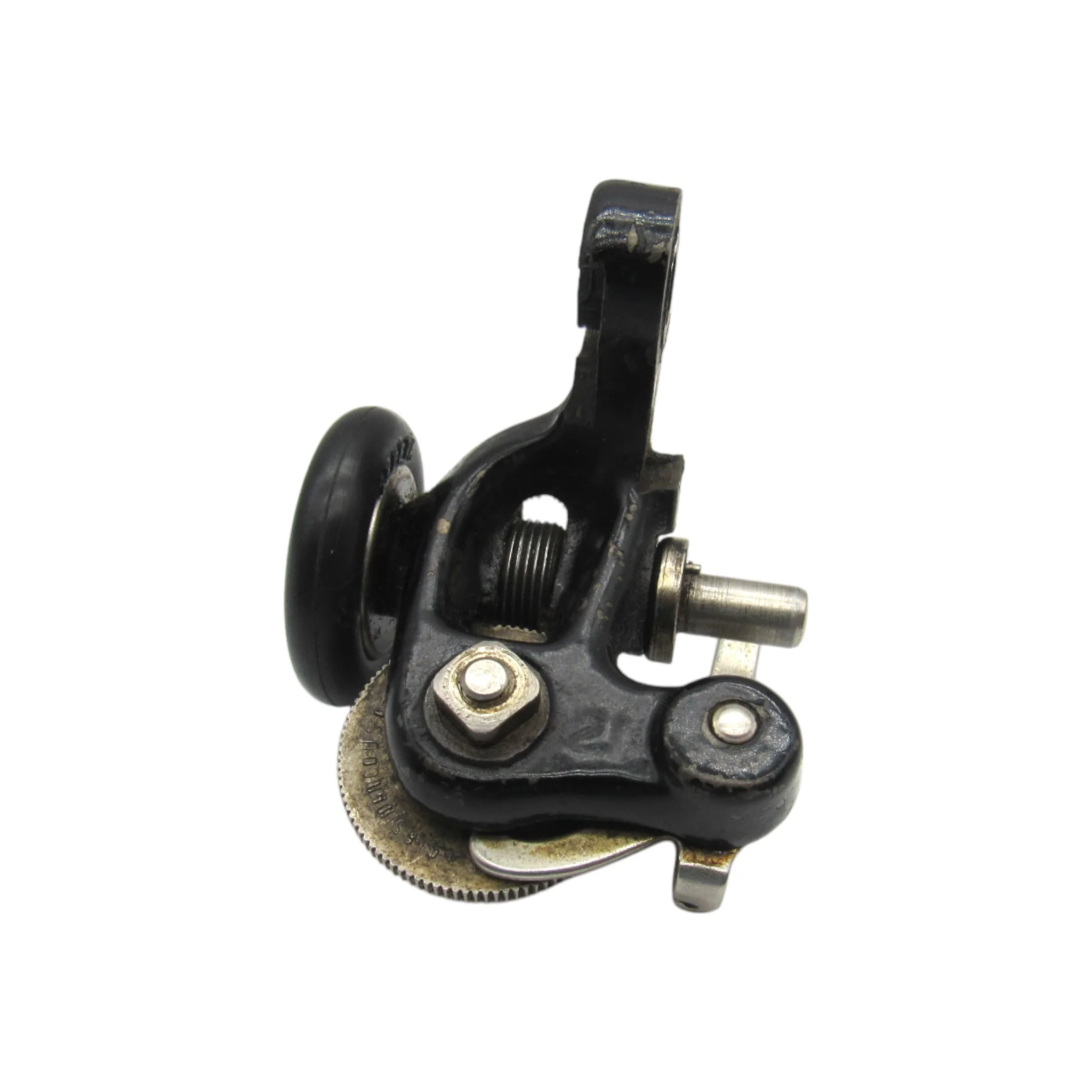
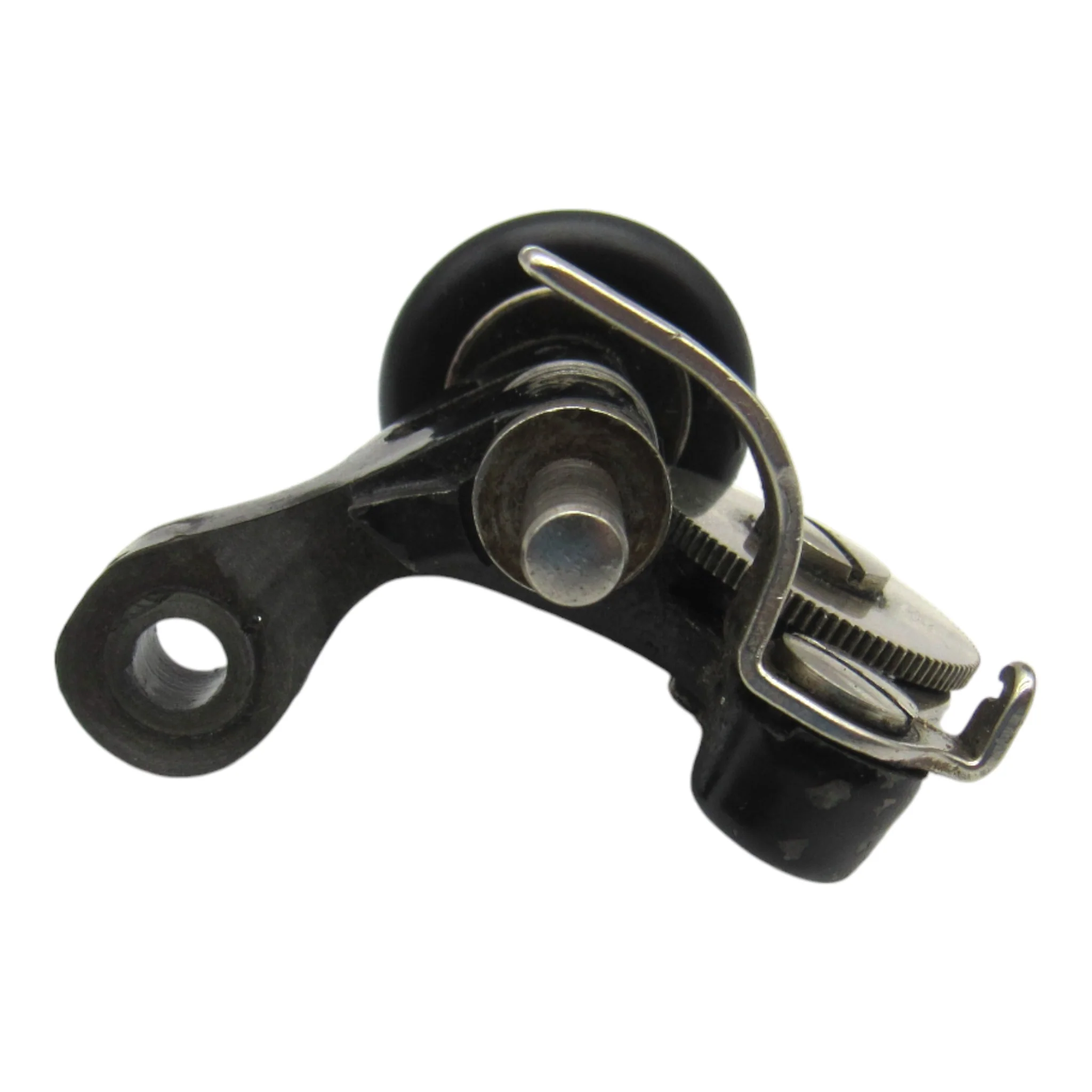
Replacement bobbin winder mechanism for Singer Model 66 machines with early cam-style winders (approximately 1910-late 1930s). This is the core winder mechanism only - the frame, cam drive, hub, shaft, thread guide finger, and spring - without the decorative handwheel guard or mounting hardware.
What's Included - Core Mechanism Only
- Cast Iron Frame: L-shaped mounting bracket
- Heart-Shaped Cam Gear: Internal cam mechanism that drives the oscillating finger
- Hub and Shaft Assembly: Complete hub with drive pin and shaft
- Thread Guide Finger: Metal oscillating finger for automatic level-wind
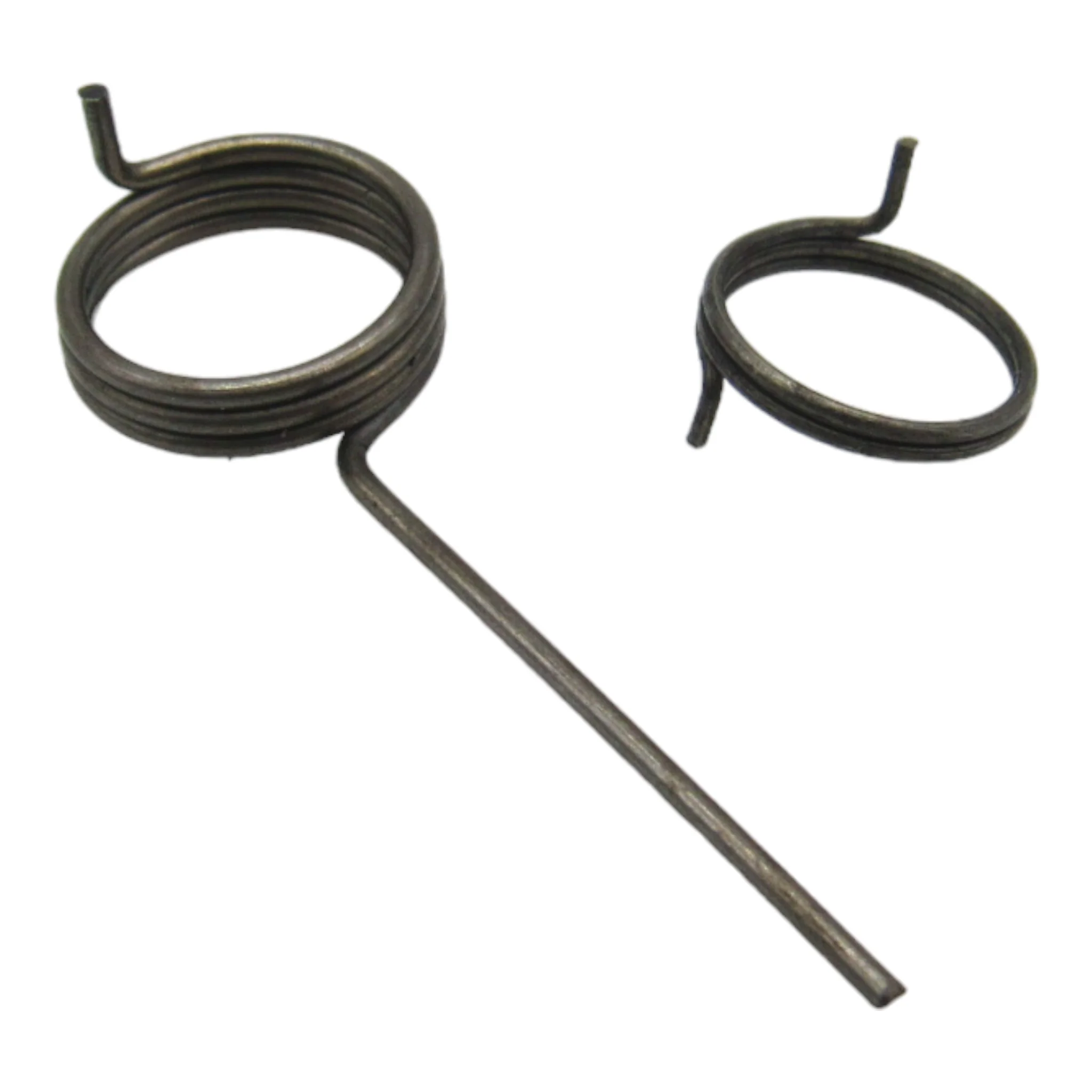
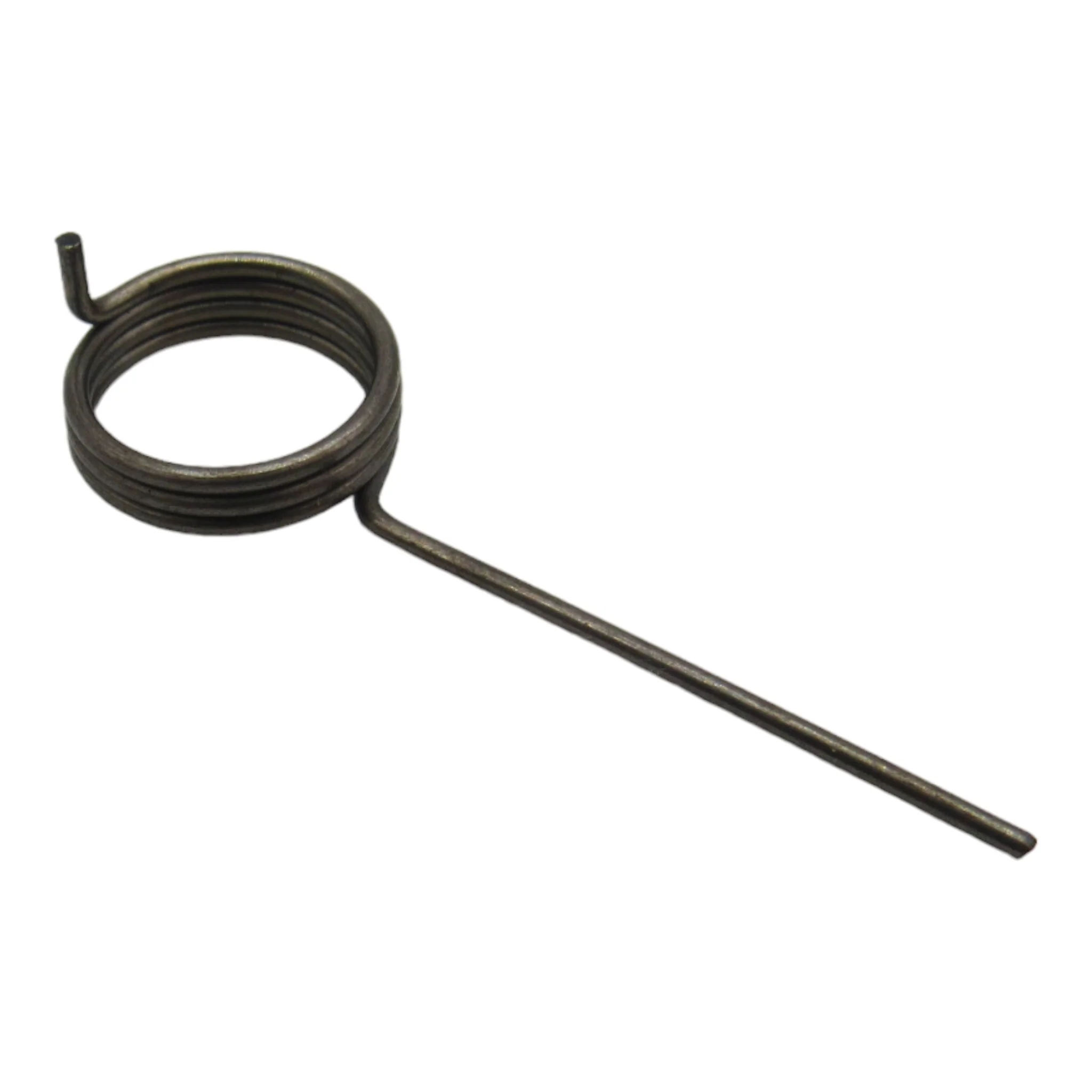
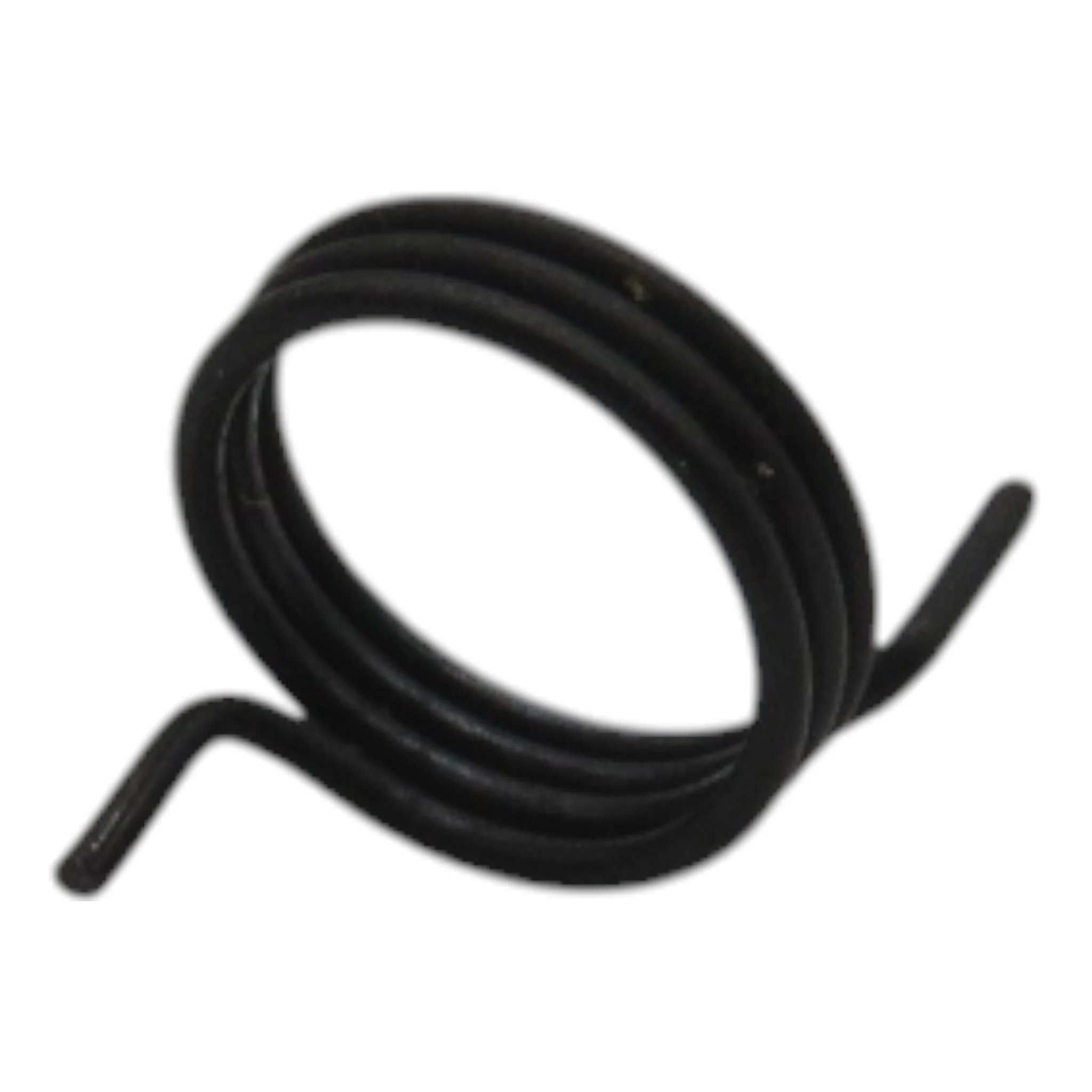
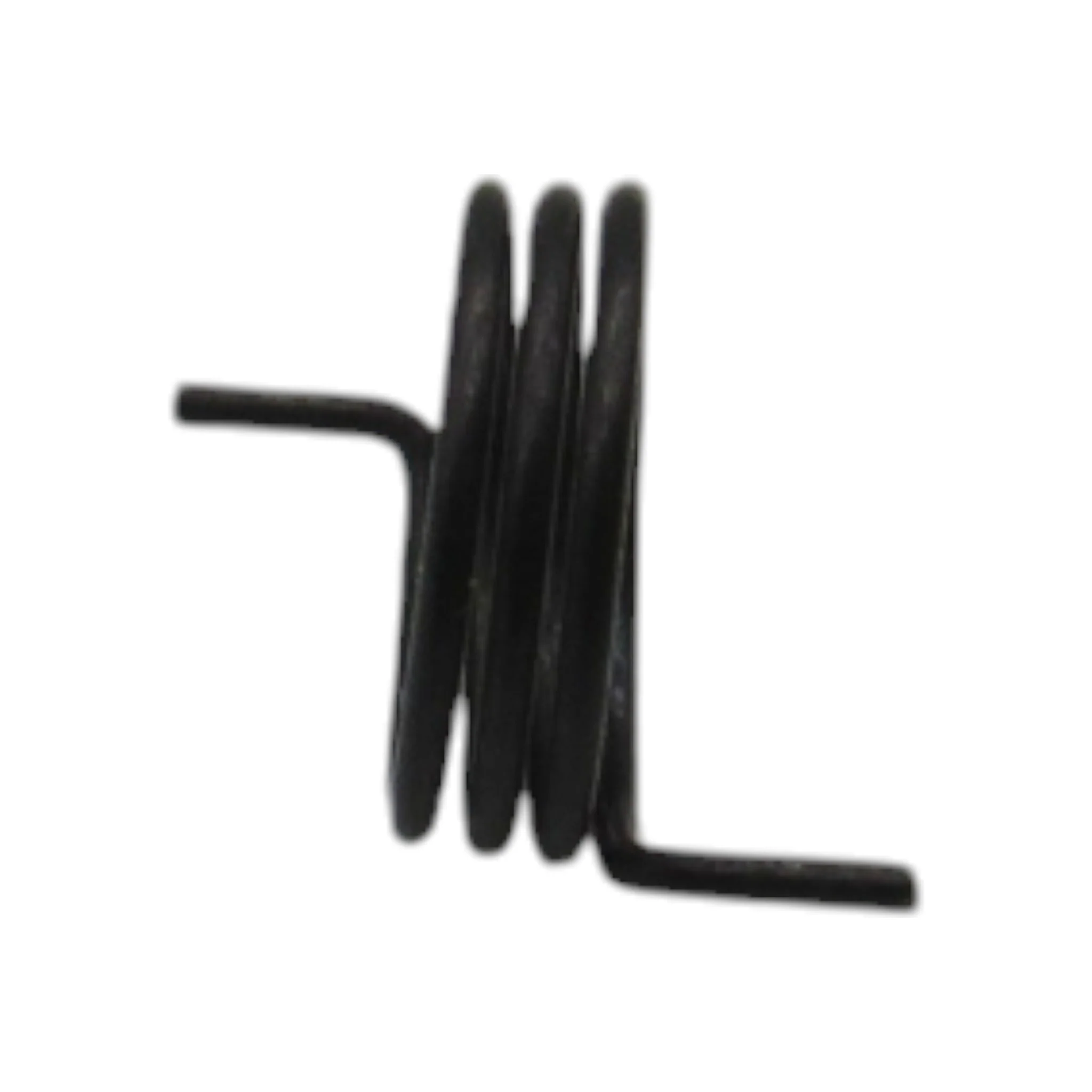
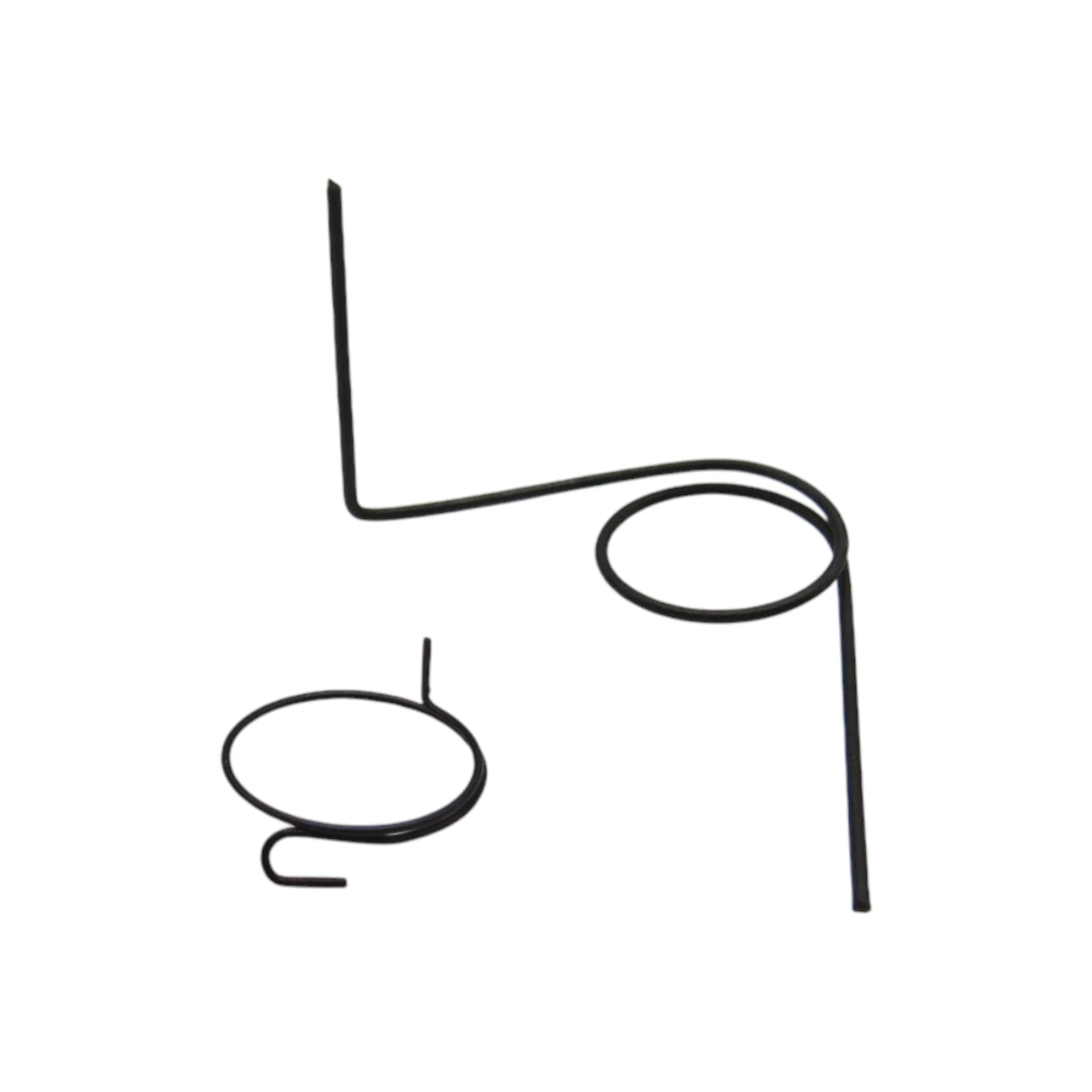
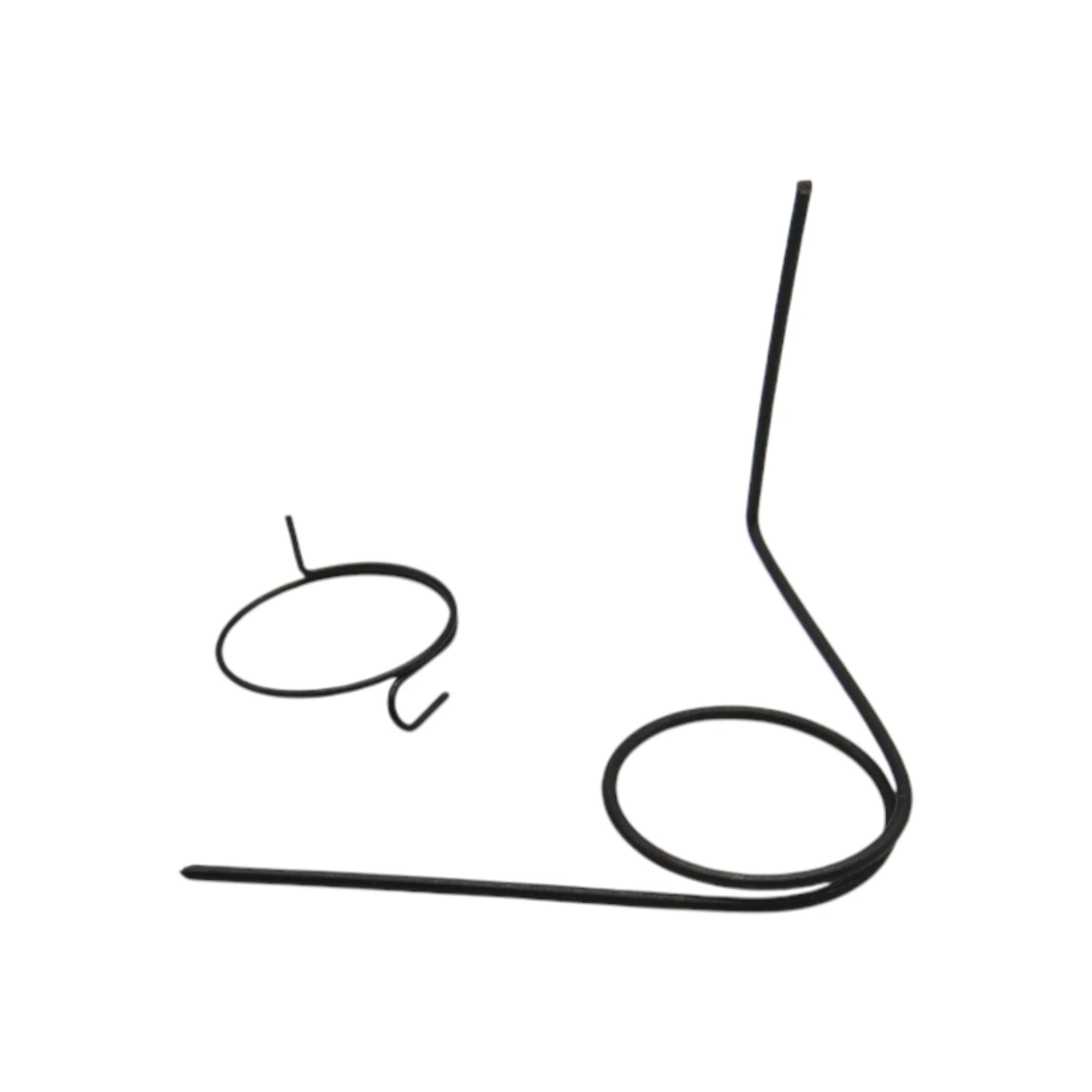
- One (1) Spring: Thread guide spring
- New Friction Tire: Fresh rubber tire installed on hub
- Freed Mechanism: Cam and gears freed and working smoothly
What's NOT Included
- Handwheel guard with decals (sold separately)
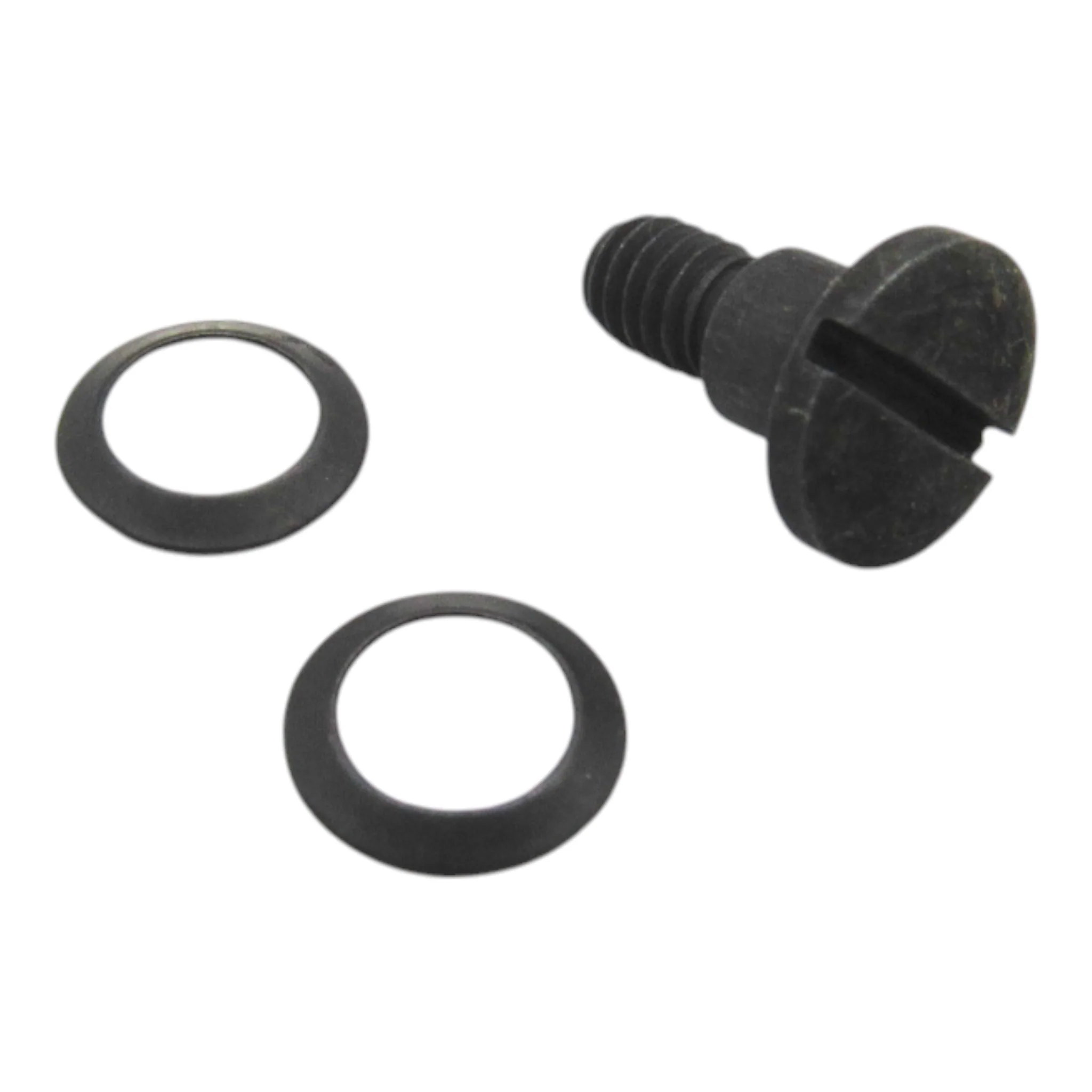
- Mounting hardware/screws
- Additional tension springs
Why You Need This Mechanism
After 80-100+ years of use, several common failure points can make your original bobbin winder unusable:
Broken Drive Pin: The small pin that drives the bobbin when you slide it onto the shaft is a wear item. After decades of use, this pin can wear down or break completely, making it impossible to wind bobbins.
Cracked Cast Iron Frame: It's not uncommon for vintage machines to get tipped over during moves or storage. The cast iron winder frame is brittle and can crack or break on impact, making the entire mechanism unusable.
Frozen Cam Mechanism: The heart-shaped cam and internal gears often seize from century-old hardened oil. While some can be freed with disassembly and cleaning, severely corroded units may be beyond repair.
Worn Friction Tire: Original rubber tires dry out, crack, and lose their grip after 80+ years. This mechanism includes a new friction tire already installed.
This replacement mechanism solves all these issues - you get a complete working unit with freed cam gears, intact drive pin, solid frame, and new friction tire.
Early Cam-Style "Level-Wind" Mechanism
This is the early, mechanically sophisticated version of the Model 66 bobbin winder featuring the heart-shaped cam system.
Automatic Level-Wind: The internal heart-shaped cam rotates as you wind, driving the metal thread guide finger back and forth automatically. This ensures perfectly even thread distribution across the bobbin without any manual intervention - just like professional industrial machines.
Superior to Later Versions: Unlike the later simplified winders (66-14, 66-16) where you guide the thread by hand, this early cam-style does all the work for you. The oscillating finger prevents uneven winding that can cause tension problems during sewing.
Friction Tire Drive System
This mechanism uses a friction tire (rubber tire) that presses against the handwheel rim to power the winder.
- New Friction Tire: Fresh rubber tire installed and ready to use
- Handwheel Compatibility: Works with both 9-spoke and solid handwheels
- Versatile: Compatible with treadle, hand-crank, and electric Model 66 machines
- Drive Pin Intact: Small pin that engages the bobbin is present and functional
Compatibility
Mechanism Fits:
- Singer Model 66-1 (treadle version)
- Singer Model 66-3 (hand-crank version)
- Singer Model 66-4 (early electric with spoked handwheel)
- Singer Model 66-5 (hand-crank variant of 66-4)
- Singer Model 66-6 (electric with solid handwheel)
Era: Early Model 66 machines from approximately 1910-late 1930s, characterized by screw-style stitch length adjuster and back-clamping or early side-clamping presser foot systems. These machines may have Red Eye, Lotus, or Filigree decals.
Note: This is the early cam-style mechanism, NOT the later simplified version found on 66-14 or 66-16 models from the late 1930s-1940s.
Installation Requirements
This is a mechanism-only replacement. You will need:
- Your existing handwheel guard (or purchase separately)
- Mounting hardware/screws to attach the frame to your machine
- Basic hand tools for installation
The mechanism mounts to the machine's pillar or arm using the cast iron frame. Proper alignment is critical so the friction tire engages the handwheel rim correctly.
Condition Grading System
Since these are vintage original mechanisms 80-100+ years old, condition varies. Select the grade that matches your restoration needs:
Grade A - Excellent Condition:
- Minimal wear and patina
- Cast iron frame solid with no cracks or repairs
- Little to no rust or pitting
- Drive pin intact and sharp
- Heart-shaped cam and gears move freely and smoothly
- Thread guide finger straight and functional
- Spring strong and functional
- New friction tire installed
- Ready to install and use immediately
- Best choice for museum-quality restorations
Grade B - Very Good Condition:
- Light to moderate patina consistent with age
- Cast iron frame solid with no cracks
- Some surface rust or light pitting possible
- Drive pin intact and functional
- Cam mechanism freed and working properly
- Thread guide finger may show minor bending but functional
- Spring present and functional
- New friction tire installed
- May benefit from light cleaning or polishing
- Great choice for working restorations
Grade C - Good Condition:
- Moderate to heavy patina, authentic vintage character
- Cast iron frame solid (no cracks that affect function)
- Visible rust, pitting, or paint loss on metal components
- Drive pin intact and functional
- Cam mechanism freed and working
- Thread guide finger may show wear or bending but functional
- Spring present and functional
- New friction tire installed
- May require cleaning or minor adjustments for best performance
- Budget-friendly option for machines that need a working mechanism
All grades are fully functional. The grading reflects cosmetic condition only. Every mechanism includes a freed cam system, intact drive pin, solid frame, thread guide spring, and new friction tire.
Why Choose Mechanism-Only?
This listing is ideal if you:
- Already have the handwheel guard and just need the mechanism
- Have a broken frame, worn drive pin, or frozen cam on your original winder
- Don't care about period-correct decals on the guard
- Want to save money vs. buying the complete assembly with guard
- Need a working winder and can source mounting hardware separately
If you need the complete assembly including the handwheel guard with authentic decals (Red Eye, Lotus, or Filigree), please see our separate listings for complete assemblies.
Maintenance & Care
Apply a drop of sewing machine oil to the cam mechanism and shaft periodically to keep everything moving smoothly. Check the friction tire for wear over time - while this unit includes a new tire, rubber will eventually need replacement after years of use.
Specifications
- Manufacturer: Singer Manufacturing Company (SIMANCO)
- Era: Approximately 1910-late 1930s
- Machine Model: Singer Model 66 (early sub-models)
- Assembly Type: Mechanism only (no guard or mounting hardware)
- Winder Style: Early cam-style with heart-shaped cam and oscillating finger
- Springs: One (1) thread guide spring included
- Friction Tire: New replacement tire installed
- Frame Material: Cast iron
- Handwheel Compatibility: 9-spoke or solid handwheels
- Compatible Models: 66-1, 66-3, 66-4, 66-5, 66-6
- Drive Pin: Intact and functional
- Weight: Approximately 4-5 oz
Note: Due to the vintage nature of these parts (80-100+ years old), each mechanism is unique. Your mechanism will match the condition grade description but may have slightly different patina patterns consistent with authentic vintage parts. Mounting hardware not included.
Replace your broken or worn Model 66 bobbin winder mechanism with an authentic early cam-style unit featuring the sophisticated heart-shaped cam system!
Product Information
Product Information
Shipping & Returns
Shipping & Returns

Original Singer Bobbin Winder Mechanism - Model 66 Early Cam Style
Original Singer Bobbin Winder Mechanism - Model 66 Early Cam Style
Original Singer Bobbin Winder Mechanism - Model 66 Early Cam Style
Replacement bobbin winder mechanism for Singer Model 66 machines with early cam-style winders (approximately 1910-late 1930s). This is the core winder mechanism only - the frame, cam drive, hub, shaft, thread guide finger, and spring - without the decorative handwheel guard or mounting hardware.
What's Included - Core Mechanism Only
- Cast Iron Frame: L-shaped mounting bracket
- Heart-Shaped Cam Gear: Internal cam mechanism that drives the oscillating finger
- Hub and Shaft Assembly: Complete hub with drive pin and shaft
- Thread Guide Finger: Metal oscillating finger for automatic level-wind
- One (1) Spring: Thread guide spring
- New Friction Tire: Fresh rubber tire installed on hub
- Freed Mechanism: Cam and gears freed and working smoothly
What's NOT Included
- Handwheel guard with decals (sold separately)
- Mounting hardware/screws
- Additional tension springs
Why You Need This Mechanism
After 80-100+ years of use, several common failure points can make your original bobbin winder unusable:
Broken Drive Pin: The small pin that drives the bobbin when you slide it onto the shaft is a wear item. After decades of use, this pin can wear down or break completely, making it impossible to wind bobbins.
Cracked Cast Iron Frame: It's not uncommon for vintage machines to get tipped over during moves or storage. The cast iron winder frame is brittle and can crack or break on impact, making the entire mechanism unusable.
Frozen Cam Mechanism: The heart-shaped cam and internal gears often seize from century-old hardened oil. While some can be freed with disassembly and cleaning, severely corroded units may be beyond repair.
Worn Friction Tire: Original rubber tires dry out, crack, and lose their grip after 80+ years. This mechanism includes a new friction tire already installed.
This replacement mechanism solves all these issues - you get a complete working unit with freed cam gears, intact drive pin, solid frame, and new friction tire.
Early Cam-Style "Level-Wind" Mechanism
This is the early, mechanically sophisticated version of the Model 66 bobbin winder featuring the heart-shaped cam system.
Automatic Level-Wind: The internal heart-shaped cam rotates as you wind, driving the metal thread guide finger back and forth automatically. This ensures perfectly even thread distribution across the bobbin without any manual intervention - just like professional industrial machines.
Superior to Later Versions: Unlike the later simplified winders (66-14, 66-16) where you guide the thread by hand, this early cam-style does all the work for you. The oscillating finger prevents uneven winding that can cause tension problems during sewing.
Friction Tire Drive System
This mechanism uses a friction tire (rubber tire) that presses against the handwheel rim to power the winder.
- New Friction Tire: Fresh rubber tire installed and ready to use
- Handwheel Compatibility: Works with both 9-spoke and solid handwheels
- Versatile: Compatible with treadle, hand-crank, and electric Model 66 machines
- Drive Pin Intact: Small pin that engages the bobbin is present and functional
Compatibility
Mechanism Fits:
- Singer Model 66-1 (treadle version)
- Singer Model 66-3 (hand-crank version)
- Singer Model 66-4 (early electric with spoked handwheel)
- Singer Model 66-5 (hand-crank variant of 66-4)
- Singer Model 66-6 (electric with solid handwheel)
Era: Early Model 66 machines from approximately 1910-late 1930s, characterized by screw-style stitch length adjuster and back-clamping or early side-clamping presser foot systems. These machines may have Red Eye, Lotus, or Filigree decals.
Note: This is the early cam-style mechanism, NOT the later simplified version found on 66-14 or 66-16 models from the late 1930s-1940s.
Installation Requirements
This is a mechanism-only replacement. You will need:
- Your existing handwheel guard (or purchase separately)
- Mounting hardware/screws to attach the frame to your machine
- Basic hand tools for installation
The mechanism mounts to the machine's pillar or arm using the cast iron frame. Proper alignment is critical so the friction tire engages the handwheel rim correctly.
Condition Grading System
Since these are vintage original mechanisms 80-100+ years old, condition varies. Select the grade that matches your restoration needs:
Grade A - Excellent Condition:
- Minimal wear and patina
- Cast iron frame solid with no cracks or repairs
- Little to no rust or pitting
- Drive pin intact and sharp
- Heart-shaped cam and gears move freely and smoothly
- Thread guide finger straight and functional
- Spring strong and functional
- New friction tire installed
- Ready to install and use immediately
- Best choice for museum-quality restorations
Grade B - Very Good Condition:
- Light to moderate patina consistent with age
- Cast iron frame solid with no cracks
- Some surface rust or light pitting possible
- Drive pin intact and functional
- Cam mechanism freed and working properly
- Thread guide finger may show minor bending but functional
- Spring present and functional
- New friction tire installed
- May benefit from light cleaning or polishing
- Great choice for working restorations
Grade C - Good Condition:
- Moderate to heavy patina, authentic vintage character
- Cast iron frame solid (no cracks that affect function)
- Visible rust, pitting, or paint loss on metal components
- Drive pin intact and functional
- Cam mechanism freed and working
- Thread guide finger may show wear or bending but functional
- Spring present and functional
- New friction tire installed
- May require cleaning or minor adjustments for best performance
- Budget-friendly option for machines that need a working mechanism
All grades are fully functional. The grading reflects cosmetic condition only. Every mechanism includes a freed cam system, intact drive pin, solid frame, thread guide spring, and new friction tire.
Why Choose Mechanism-Only?
This listing is ideal if you:
- Already have the handwheel guard and just need the mechanism
- Have a broken frame, worn drive pin, or frozen cam on your original winder
- Don't care about period-correct decals on the guard
- Want to save money vs. buying the complete assembly with guard
- Need a working winder and can source mounting hardware separately
If you need the complete assembly including the handwheel guard with authentic decals (Red Eye, Lotus, or Filigree), please see our separate listings for complete assemblies.
Maintenance & Care
Apply a drop of sewing machine oil to the cam mechanism and shaft periodically to keep everything moving smoothly. Check the friction tire for wear over time - while this unit includes a new tire, rubber will eventually need replacement after years of use.
Specifications
- Manufacturer: Singer Manufacturing Company (SIMANCO)
- Era: Approximately 1910-late 1930s
- Machine Model: Singer Model 66 (early sub-models)
- Assembly Type: Mechanism only (no guard or mounting hardware)
- Winder Style: Early cam-style with heart-shaped cam and oscillating finger
- Springs: One (1) thread guide spring included
- Friction Tire: New replacement tire installed
- Frame Material: Cast iron
- Handwheel Compatibility: 9-spoke or solid handwheels
- Compatible Models: 66-1, 66-3, 66-4, 66-5, 66-6
- Drive Pin: Intact and functional
- Weight: Approximately 4-5 oz
Note: Due to the vintage nature of these parts (80-100+ years old), each mechanism is unique. Your mechanism will match the condition grade description but may have slightly different patina patterns consistent with authentic vintage parts. Mounting hardware not included.
Replace your broken or worn Model 66 bobbin winder mechanism with an authentic early cam-style unit featuring the sophisticated heart-shaped cam system!
Product Information
Product Information
Shipping & Returns
Shipping & Returns
Description
Original Singer Bobbin Winder Mechanism - Model 66 Early Cam Style
Replacement bobbin winder mechanism for Singer Model 66 machines with early cam-style winders (approximately 1910-late 1930s). This is the core winder mechanism only - the frame, cam drive, hub, shaft, thread guide finger, and spring - without the decorative handwheel guard or mounting hardware.
What's Included - Core Mechanism Only
- Cast Iron Frame: L-shaped mounting bracket
- Heart-Shaped Cam Gear: Internal cam mechanism that drives the oscillating finger
- Hub and Shaft Assembly: Complete hub with drive pin and shaft
- Thread Guide Finger: Metal oscillating finger for automatic level-wind
- One (1) Spring: Thread guide spring
- New Friction Tire: Fresh rubber tire installed on hub
- Freed Mechanism: Cam and gears freed and working smoothly
What's NOT Included
- Handwheel guard with decals (sold separately)
- Mounting hardware/screws
- Additional tension springs
Why You Need This Mechanism
After 80-100+ years of use, several common failure points can make your original bobbin winder unusable:
Broken Drive Pin: The small pin that drives the bobbin when you slide it onto the shaft is a wear item. After decades of use, this pin can wear down or break completely, making it impossible to wind bobbins.
Cracked Cast Iron Frame: It's not uncommon for vintage machines to get tipped over during moves or storage. The cast iron winder frame is brittle and can crack or break on impact, making the entire mechanism unusable.
Frozen Cam Mechanism: The heart-shaped cam and internal gears often seize from century-old hardened oil. While some can be freed with disassembly and cleaning, severely corroded units may be beyond repair.
Worn Friction Tire: Original rubber tires dry out, crack, and lose their grip after 80+ years. This mechanism includes a new friction tire already installed.
This replacement mechanism solves all these issues - you get a complete working unit with freed cam gears, intact drive pin, solid frame, and new friction tire.
Early Cam-Style "Level-Wind" Mechanism
This is the early, mechanically sophisticated version of the Model 66 bobbin winder featuring the heart-shaped cam system.
Automatic Level-Wind: The internal heart-shaped cam rotates as you wind, driving the metal thread guide finger back and forth automatically. This ensures perfectly even thread distribution across the bobbin without any manual intervention - just like professional industrial machines.
Superior to Later Versions: Unlike the later simplified winders (66-14, 66-16) where you guide the thread by hand, this early cam-style does all the work for you. The oscillating finger prevents uneven winding that can cause tension problems during sewing.
Friction Tire Drive System
This mechanism uses a friction tire (rubber tire) that presses against the handwheel rim to power the winder.
- New Friction Tire: Fresh rubber tire installed and ready to use
- Handwheel Compatibility: Works with both 9-spoke and solid handwheels
- Versatile: Compatible with treadle, hand-crank, and electric Model 66 machines
- Drive Pin Intact: Small pin that engages the bobbin is present and functional
Compatibility
Mechanism Fits:
- Singer Model 66-1 (treadle version)
- Singer Model 66-3 (hand-crank version)
- Singer Model 66-4 (early electric with spoked handwheel)
- Singer Model 66-5 (hand-crank variant of 66-4)
- Singer Model 66-6 (electric with solid handwheel)
Era: Early Model 66 machines from approximately 1910-late 1930s, characterized by screw-style stitch length adjuster and back-clamping or early side-clamping presser foot systems. These machines may have Red Eye, Lotus, or Filigree decals.
Note: This is the early cam-style mechanism, NOT the later simplified version found on 66-14 or 66-16 models from the late 1930s-1940s.
Installation Requirements
This is a mechanism-only replacement. You will need:
- Your existing handwheel guard (or purchase separately)
- Mounting hardware/screws to attach the frame to your machine
- Basic hand tools for installation
The mechanism mounts to the machine's pillar or arm using the cast iron frame. Proper alignment is critical so the friction tire engages the handwheel rim correctly.
Condition Grading System
Since these are vintage original mechanisms 80-100+ years old, condition varies. Select the grade that matches your restoration needs:
Grade A - Excellent Condition:
- Minimal wear and patina
- Cast iron frame solid with no cracks or repairs
- Little to no rust or pitting
- Drive pin intact and sharp
- Heart-shaped cam and gears move freely and smoothly
- Thread guide finger straight and functional
- Spring strong and functional
- New friction tire installed
- Ready to install and use immediately
- Best choice for museum-quality restorations
Grade B - Very Good Condition:
- Light to moderate patina consistent with age
- Cast iron frame solid with no cracks
- Some surface rust or light pitting possible
- Drive pin intact and functional
- Cam mechanism freed and working properly
- Thread guide finger may show minor bending but functional
- Spring present and functional
- New friction tire installed
- May benefit from light cleaning or polishing
- Great choice for working restorations
Grade C - Good Condition:
- Moderate to heavy patina, authentic vintage character
- Cast iron frame solid (no cracks that affect function)
- Visible rust, pitting, or paint loss on metal components
- Drive pin intact and functional
- Cam mechanism freed and working
- Thread guide finger may show wear or bending but functional
- Spring present and functional
- New friction tire installed
- May require cleaning or minor adjustments for best performance
- Budget-friendly option for machines that need a working mechanism
All grades are fully functional. The grading reflects cosmetic condition only. Every mechanism includes a freed cam system, intact drive pin, solid frame, thread guide spring, and new friction tire.
Why Choose Mechanism-Only?
This listing is ideal if you:
- Already have the handwheel guard and just need the mechanism
- Have a broken frame, worn drive pin, or frozen cam on your original winder
- Don't care about period-correct decals on the guard
- Want to save money vs. buying the complete assembly with guard
- Need a working winder and can source mounting hardware separately
If you need the complete assembly including the handwheel guard with authentic decals (Red Eye, Lotus, or Filigree), please see our separate listings for complete assemblies.
Maintenance & Care
Apply a drop of sewing machine oil to the cam mechanism and shaft periodically to keep everything moving smoothly. Check the friction tire for wear over time - while this unit includes a new tire, rubber will eventually need replacement after years of use.
Specifications
- Manufacturer: Singer Manufacturing Company (SIMANCO)
- Era: Approximately 1910-late 1930s
- Machine Model: Singer Model 66 (early sub-models)
- Assembly Type: Mechanism only (no guard or mounting hardware)
- Winder Style: Early cam-style with heart-shaped cam and oscillating finger
- Springs: One (1) thread guide spring included
- Friction Tire: New replacement tire installed
- Frame Material: Cast iron
- Handwheel Compatibility: 9-spoke or solid handwheels
- Compatible Models: 66-1, 66-3, 66-4, 66-5, 66-6
- Drive Pin: Intact and functional
- Weight: Approximately 4-5 oz
Note: Due to the vintage nature of these parts (80-100+ years old), each mechanism is unique. Your mechanism will match the condition grade description but may have slightly different patina patterns consistent with authentic vintage parts. Mounting hardware not included.
Replace your broken or worn Model 66 bobbin winder mechanism with an authentic early cam-style unit featuring the sophisticated heart-shaped cam system!